

Exploring the psychological triggers that keep gamblers coming back
The Thrill of Uncertainty
The allure of gambling lies primarily in its unpredictable nature. Gamblers are often attracted to the excitement that comes with not knowing the outcome. This thrill can provoke a rush of adrenaline, making the experience immensely pleasurable. The unpredictability feeds into the human desire for excitement, encouraging players to return for more, in hopes of striking it lucky. For those looking to enhance their gaming experience, embracing platforms like taya 365 can offer new dimensions to this excitement.

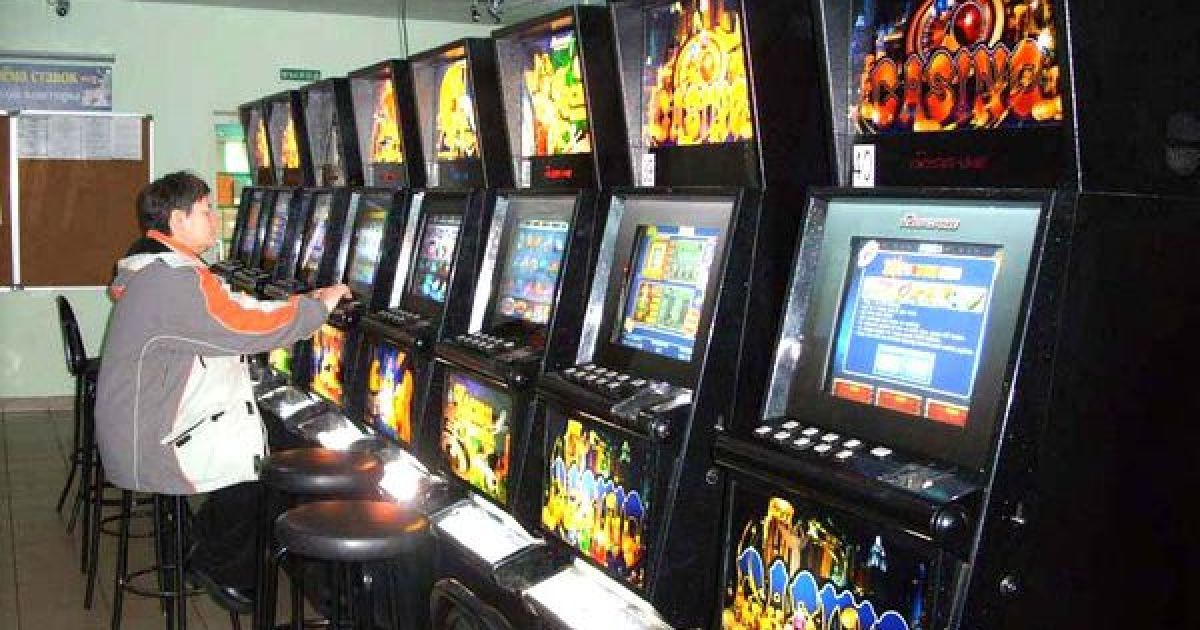
Moreover, this uncertainty is amplified in both online and offline gambling environments. Online platforms offer instant gratification and a wide array of games, all designed to heighten the suspense. The tactile and sensory experiences of physical casinos also contribute to this thrill, creating an atmosphere where the unknown can be intoxicatingly alluring.
The Role of Reward Systems
Psychological triggers are deeply tied to reward systems. When gamblers experience wins, even small ones, the brain releases dopamine—a neurotransmitter associated with pleasure and reward. This biochemical reaction reinforces the behavior, making the gambler more likely to return for another chance at that euphoric feeling. These rewards can be further heightened in online settings where promotions and bonuses create a continuous cycle of reinforcement.
In offline casinos, the physical environment, complete with celebratory sounds and visuals, also enhances this reward system. The visceral reactions to winning can create lasting memories that draw players back, demonstrating how both online and offline settings manipulate reward systems to keep gamblers engaged.
The Impact of Social Interaction
Another significant factor in gambling addiction is social interaction. Gamblers often find themselves drawn to the communal aspects of the activity, whether online or in person. In physical casinos, the ambiance of camaraderie can amplify the thrill of gambling, with players celebrating wins together or sharing stories of their experiences.
In online gambling, chat functions and multiplayer games simulate a social environment, fostering connections and community among players. This social aspect can create a sense of belonging, making gamblers more inclined to return as they seek to maintain these relationships while pursuing their hobby.
The Illusion of Control
Many gamblers operate under the illusion that they can control their outcomes, which can be a compelling psychological trigger. This belief often stems from previous wins or the misunderstanding of probability. Gamblers may convince themselves that their strategies can influence results, fostering a persistent urge to return for another game.
This sense of control can be particularly potent in online gambling, where players may employ various strategies they perceive as effective. In contrast, offline gambling environments may emphasize luck over skill, but both settings can lead to a sense of mastery, feeding into the gambler’s desire to continue playing in pursuit of that elusive victory.
Understanding the Connection to Responsible Gambling
As awareness of gambling addiction grows, many websites aim to educate and promote responsible gambling practices. Understanding the psychological triggers can help individuals recognize the signs of problematic behavior. Resources available online often include tips for setting limits and recognizing when gambling becomes a compulsion.
By providing information on responsible gaming, these websites serve as crucial tools for gamblers seeking to maintain a healthy relationship with their hobby. Awareness of the psychological mechanisms at play can empower individuals to make informed choices, ultimately leading to safer and more enjoyable gambling experiences.
